I would rather leave Alfama remembering a small stretch of it than a sequence of map pins. The trick is to have enough structure to feel comfortable, then leave some room between the places you have named.
- Suggested start
- Portas do Sol, after checking your approach
- Suggested finish
- Largo do Chafariz de Dentro
- Allow
- Two hours with pauses, my estimate
- Terrain
- Slopes, steps and uneven paving
THE ROUTE, AT A GLANCE
- Portas do SolUse the overview to orient yourself; check the approach first.
- Santa LuziaA nearby pause for tiles, rooftops and a decision about continuing.
- Largo de São MiguelA broad anchor for an unhurried descent through public streets.
- Largo do Chafariz de DentroFinish by the Fado Museum area; an interior visit is optional.
An outline to adapt on the day. Allow for access, weather, and your own pace.
Begin with an overview
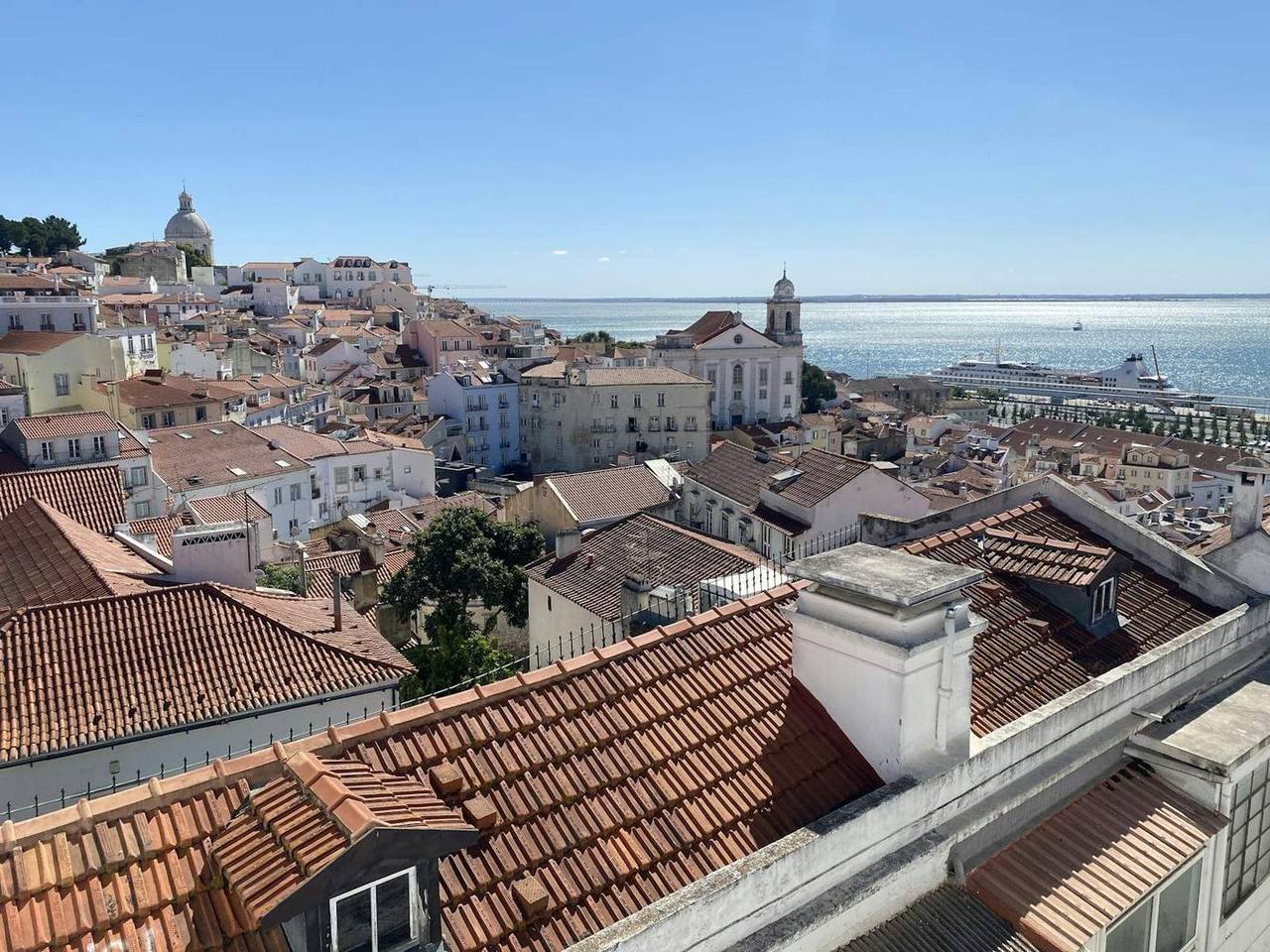
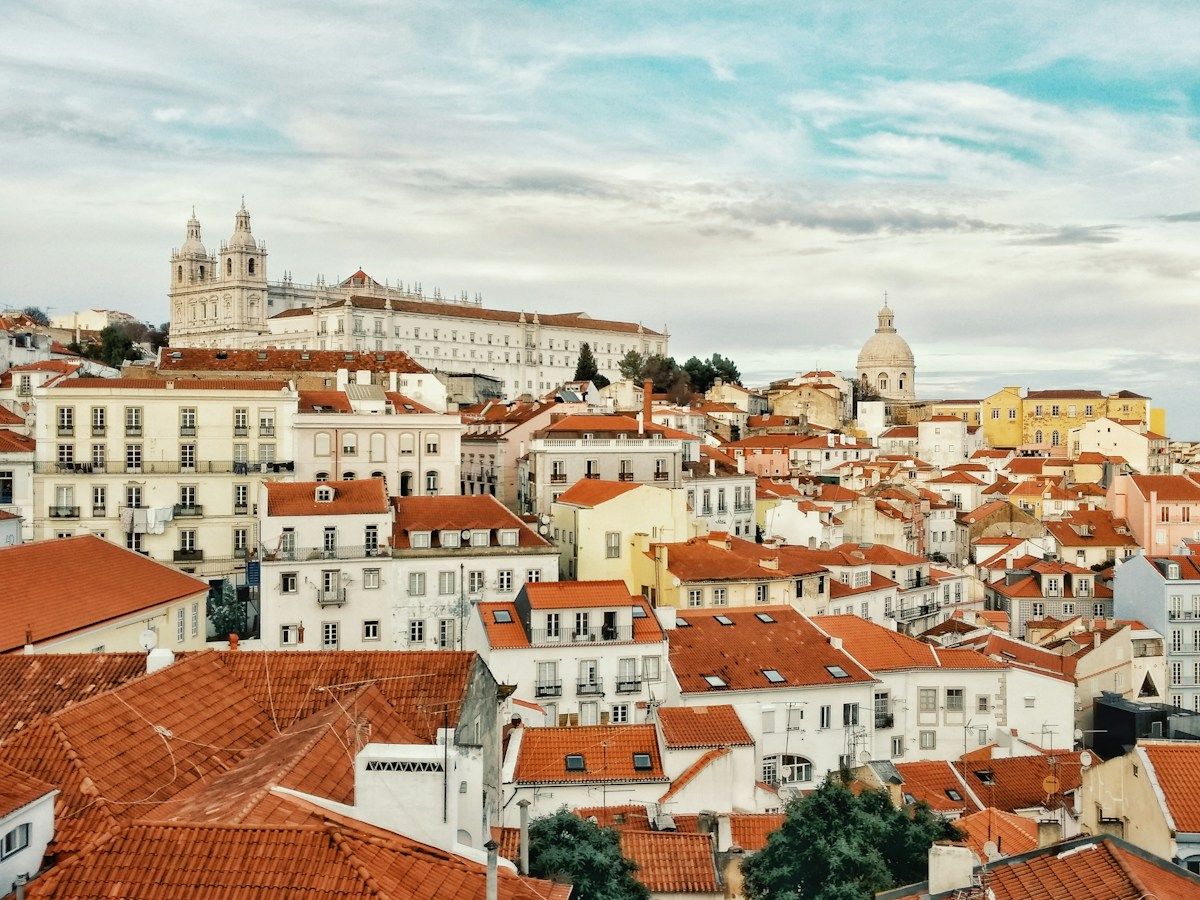
My preferred starting idea is Portas do Sol, with nearby Santa Luzia as an early pause. Visit Lisboa highlights Santa Luzia's decorative tiles and the church landmarks visible from its terrace. Before wandering into the lanes, I would use that view to understand the relationship between the roofs and the river.
Reaching a high starting point can still involve a climb. Plan that approach separately rather than treating the word 'downhill' as a promise for the whole outing. If steps, prolonged standing or steep surfaces are difficult, ask about a suitable assisted route. This suggested walk is not a verified step-free itinerary.
Choose three anchors, then stop navigating constantly
Save the start, Largo de São Miguel and the square by the Fado Museum as broad anchors. Between them, use public streets that feel comfortable and let the map correct you occasionally. A staircase is an option, not an instruction. If it feels awkward underfoot, turn back and choose another way.
The walk is not improved by proving you can navigate every lane without help. A downloaded map, the accommodation address and enough battery for the return take care of the practical basics. With those basics handled, it becomes easier to look up from the screen and notice proportions, doorways and the way streets meet.
Remember what the doorways are for
A quiet lane is still somebody's route home. Keep doorways clear, step aside for residents and avoid photographing people through open windows. A laundry line or a chair outside a door may be visually interesting, but it does not turn private life into a visitor attraction.
The same attention helps when stopping for a photograph. Make the picture from a place where you are not blocking stairs, tram space or the pavement. You do not need a deserted street for the scene to feel worthwhile. Sometimes the more respectful photograph is a building detail, a view from a public terrace or no photograph at all.
A small lesson from a published trip report
In the public thread 'Tips from our trip to Lisbon in 2025', one traveller reported difficulty following navigation through Alfama's back streets because some street signs were hard to find. It is an individual account, not a survey of the neighbourhood. Still, it suggests a practical habit: save recognisable public landmarks as well as addresses.
My response would be to reduce the number of intermediate pins. A route that specifies every turn becomes brittle when a lane is blocked or a staircase looks unsuitable. Three anchors and a willingness to backtrack make a better framework for this sort of walk than a relentless blue line.
A planning example: one person tires sooner
Picture two friends starting after breakfast, one keen on photographs and the other comfortable with only a short walk. I would agree on a first review at Santa Luzia: continue, sit down or finish. That makes stopping a shared plan rather than an awkward announcement halfway down a flight of steps.
If both feel good, continue towards São Miguel and the Fado Museum area. If not, keep the outing around the viewpoints and choose an easier return. The museum is an optional separate visit, subject to its current hours and tickets. The outside square can be a finish without creating another obligation to enter somewhere.
Leave with one thread to follow
The question I want to bring to this walk is simple: what makes these streets feel different from the ordered routes through Baixa? Look at the width of a lane, the angles between buildings and the places where people can pause. You need not know every date to pay close attention. If a detail sparks curiosity, read about it later from a reliable local source.
End with enough energy to enjoy lunch rather than collapsing into the nearest available chair. Alfama does not need to be completed in a morning. A return to one viewpoint at another time can be more rewarding than forcing a long loop just to avoid retracing your steps.
A FEW USEFUL ANSWERS
Frequently asked questions
Where should I start if I want to walk mostly downhill?
Portas do Sol is the suggested starting point, with Santa Luzia nearby before a general descent towards the Fado Museum area. Plan how you will reach the start separately: beginning high up does not remove the initial climb. The route is flexible, and individual lanes can still involve steps or uneven surfaces.
Is this Alfama walk suitable for someone who struggles with steps?
Do not assume so. This is not a verified step-free route, and the suggested area includes slopes, stairs and uneven paving. Check a suitable approach and return before committing. A shorter outing around the viewpoints may be preferable, but that also needs an access check for the traveller's particular requirements.
How can I explore the lanes without getting completely lost?
Save a few recognisable anchors rather than every turn: the starting viewpoint, Largo de São Miguel and the square by the Fado Museum. Download the map and keep your accommodation address available. If a staircase or lane looks unsuitable, backtrack. The suggested walk does not depend on following one exact sequence of turns.
Do I have to visit the Fado Museum to finish the walk?
No. Largo do Chafariz de Dentro, by the museum, can simply be your outdoor finishing point. Entering the museum is a separate choice with its own current hours and tickets. Allow roughly two hours with pauses for the suggested walk, then decide whether you want an interior visit, lunch or a rest.
Sources & useful links
Checked 29 October 2026. Confirm opening times, fares, and booking conditions with the operator before setting out. Published experiences belong to the people credited below.
- Visit Lisboa — Santa Luzia viewpoint ↗
- Visit Portugal — Alfama geography in Discovering Lisbon ↗
- Reddit — Tips from our trip to Lisbon in 2025; individual anecdote ↗