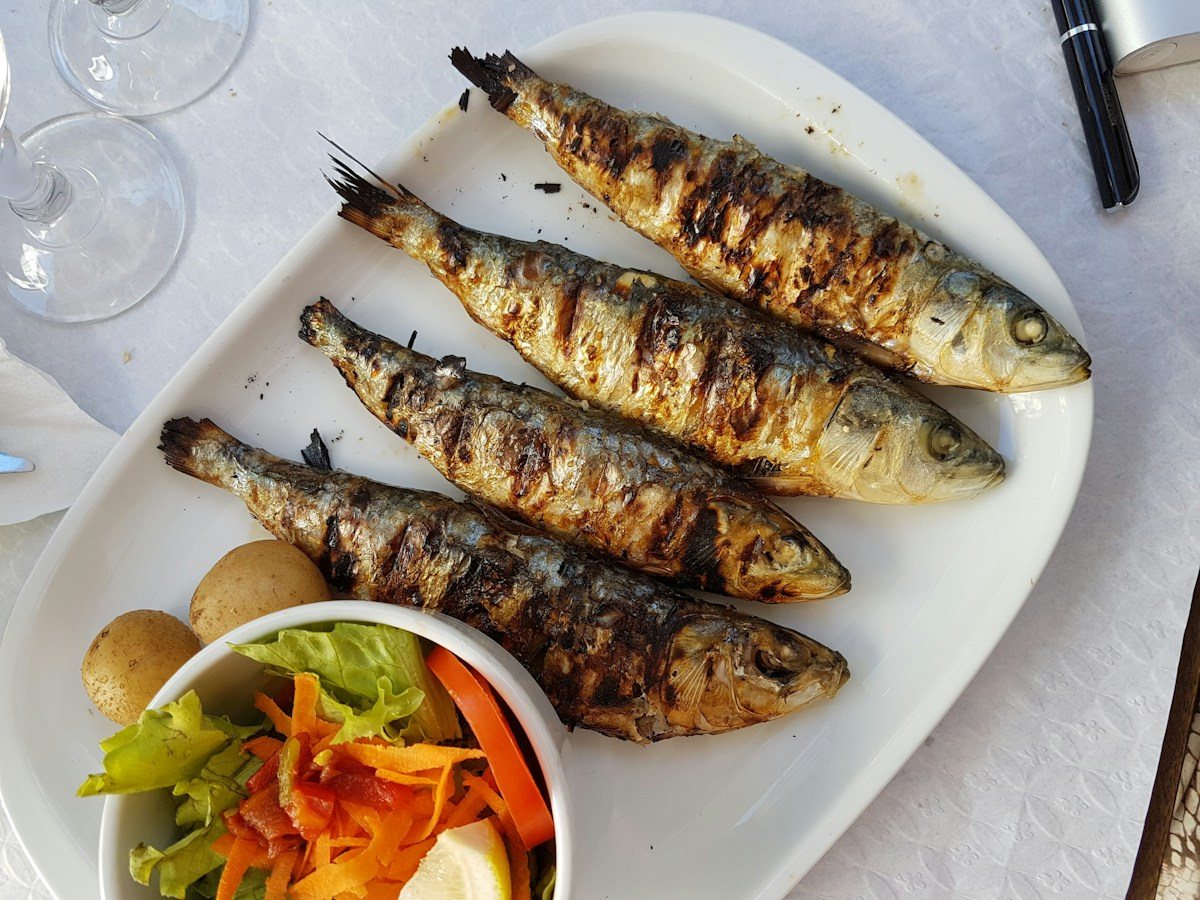
My ideal first dinner in Lisbon is not a survey of every famous Portuguese dish. It is a meal I understand well enough to enjoy. I would choose one main idea, ask three practical questions, and leave room to discover a second favourite tomorrow. The questions are simple: how many people does this serve, what is actually in it, and what comes with it? They do more useful work than a long list of dishes ordered out of obligation.
- Ask first
- Portion, ingredients and included sides
- Real menu example
- Pinóquio, Restauradores
- Before eating extras
- Check the couvert and its price
- Booking
- Keep the restaurant's confirmation
Choose a direction before choosing five dishes
Start with the appetite at the table. For fish, compare a straightforward preparation with a rice dish before adding starters. If someone wants meat or vegetables, check for an appealing option before committing to the restaurant. A compromise made at the menu stage is easier than one made after everyone has ordered.
Portion size deserves a question: is this intended for one person or sharing, and are sides included? Dish names are not reliable portion guides.
Two people ordering two large dishes plus several starters may create a meal neither wanted, while one small dish shared might leave everyone hungry. A short conversation prevents both.
Deal with the bread before it becomes a puzzle
Bread, olives, or other small items on the table may be a priced couvert. Check the menu and decide whether you want them before eating. If not, politely decline and ask for them to be removed. The name may be unfamiliar, but the decision can be ordinary and quick.
My preference is to settle the small questions early: what is included, what costs extra, and how much? Ask for an explanation of anything unclear on the menu before accepting it. At the end, compare the itemised bill with what the table ordered or ate, and raise any discrepancy while staff can clarify it.
A planning example for two people with different appetites
Imagine two visitors at a restaurant with a long seafood menu. One wants a full meal; the other is still full from a late lunch. This is a hypothetical order, not a report of a real dinner. I would ask whether one main can reasonably be shared and what a smaller second dish could be, rather than automatically ordering two full mains.
Before finalising the order, confirm ingredients, sides, and the price basis. If a seafood item is sold by weight, ask for the proposed weight and total cost before it is prepared. If the answer remains unclear, I would select a clearly priced alternative. That is a better start to dinner than trying to calculate a surprise at the end.
A reservation request is not always a reservation
Pinóquio provides another concrete example: its booking form says the reservation is only guaranteed after an email confirms availability. Read the confirmation rule wherever you book, then keep the actual confirmation with the date, time, and party size. Pressing Send can be the beginning of the process rather than its completion.
A strict departure afterwards is worth mentioning when booking and again on arrival. Otherwise, my preference is a flexible first evening. A meal is a pleasant place to slow down after travelling; it becomes much less pleasant when every pause is being measured against a show ticket across the city.
Plain questions are better than confident assumptions
Ask staff to explain an unfamiliar preparation in ordinary terms and repeat the important detail back. For a serious allergy, I would describe the allergy explicitly, including cross-contact concerns, rather than rely on a translation of the dish name. If the kitchen cannot accommodate it confidently, another restaurant is a better choice.
At the end, I would read the itemised bill, settle any question politely, and note the name of one dish worth remembering. You do not need to master a whole cuisine on the first night. Understanding what you ordered, enjoying it at a comfortable pace, and knowing what to ask next time is already a very good beginning.
A FEW USEFUL ANSWERS
Frequently asked questions
Are the bread and olives placed on the table complimentary?
Do not assume so. They may form a priced couvert, so check the menu and ask what costs extra before eating. If you do not want them, politely decline and ask for them to be removed. At the end, compare the itemised bill with what your table ordered or consumed.
Can two people share one main dish?
Ask the restaurant before ordering. Portion sizes vary, and a dish name does not show whether it is intended for one person or sharing. Confirm what sides are included and whether a smaller additional dish would suit your appetites. For seafood priced by weight, establish the proposed weight and total cost first.
Is reading the main ingredient enough to check a dish?
No. The menu example in this guide includes cod rice with prawns and squid with bacon, showing how another ingredient can change whether a dish suits you. Read the description and ask staff. For an allergy, explain the ingredient and cross-contact concerns explicitly; a translated dish name cannot establish that the kitchen can accommodate them.
Does sending a restaurant booking form guarantee my table?
Not always. Some restaurants treat the form as a request and confirm availability afterwards; Pinóquio's published booking process is one example. Read the restaurant's instructions and keep the actual confirmation showing your date, time and party size. If you have a strict departure afterwards, mention it when booking and on arrival.
Sources & useful links
Checked 29 October 2026. Confirm opening times, fares, and booking conditions with the operator before setting out. Published experiences belong to the people credited below.
Spotted a change? Let us know.