The Louvre becomes easier to plan when I replace 'see the Louvre' with a smaller question. What makes a painting feel monumental? How does a sculptor suggest movement? A question gives the visit a shape that an ever-expanding checklist cannot.
- First decision
- Choose one theme or a short official trail
- Booking
- Reserve a dated time slot through the Louvre
- Regular closure
- Tuesday; check exceptional notices
- Suggested visit
- Two to three hours inside, with a break
Make one promise to yourself
Choose one work you strongly want to see and one category you are curious about. Those are different promises: the first provides anticipation, while the second leaves room for discovery. If the Mona Lisa is important to you, say so honestly. There is no intellectual prize for pretending otherwise, and no obligation to make every other gallery a corridor leading to it.
I would allow two to three hours inside for a first focused visit, including a pause. That is my planning allowance, not an official requirement or enough time for every collection. Keep a second substantial museum out of the same immediate afternoon unless you know that long stretches indoors suit you.
Book the day before designing the route
The Louvre normally closes on Tuesdays and can publish exceptional closures. Check the official calendar before making the museum the anchor of your Paris itinerary. Its admission page recommends time-slot booking, including for visitors eligible for free entry. Eligibility and price categories need checking for each person; do not assume that an adult companion qualifies because a younger traveller does.
Start from louvre.fr and follow its ticket link rather than choosing an unfamiliar advertisement promising privileged entry. The museum warns about imitation ticket sites. My preference is to buy the simplest product that provides the visit I actually want, then add an audio guide or tour only if it will help me look more closely.
- Select museum admission on the official ticket site, then your date, available entry time and the correct visitor categories.
- Read the terms and check every detail before payment; ordinary admission bookings cannot simply be moved to another date.
- Save the issued tickets and any required proof of eligibility. Record the entrance instructions separately from the purchase confirmation.
- Recheck the museum's visitor notice and gallery availability shortly before your visit.
Do the small practical jobs before entering
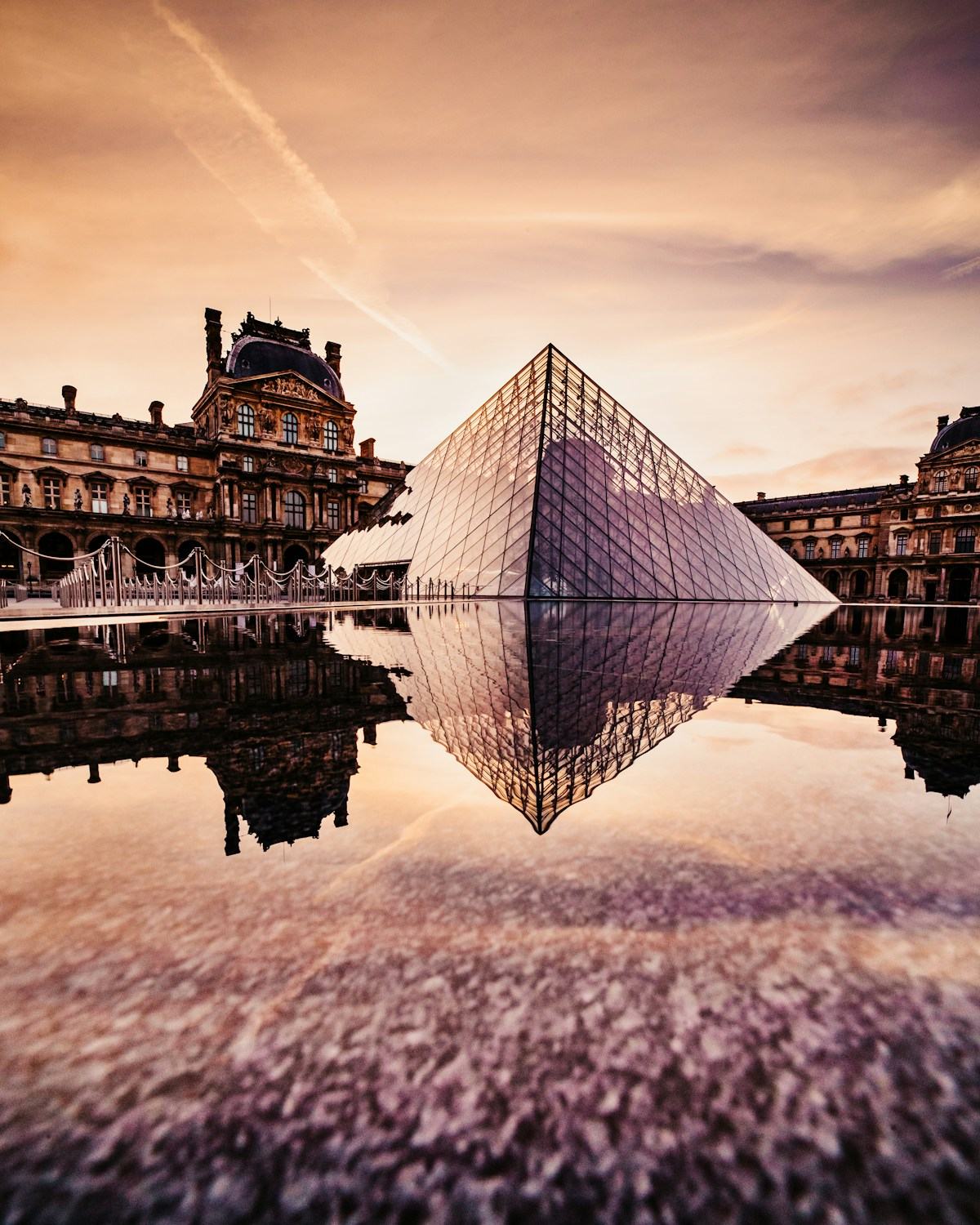
The Pyramid is the main entrance, with a line for people holding booked slots. Other entrances have their own conditions, so follow the current instructions for your ticket rather than an old video describing a secret shortcut. Leave time to find the correct line and pass security. A booking is an arrival plan, not permission to ignore the entrance process.
Bring less than you think you need. The Louvre does not admit items larger than 55 by 35 by 20 centimetres, including in the welcome area. Its lockers serve smaller belongings, not a strategy for storing all your holiday luggage. Finish your hotel transfer first if you are arriving with a suitcase.
A documented example of a deliberately smaller Louvre
The museum publishes a 90-minute visitor trail called The Louvre's Masterpieces. Its very existence is a useful example: the institution itself offers a selection rather than asking every visitor to cover the whole building. Download the current trail and compare it with the rooms available on your day. The advertised duration does not include every queue, pause or detour you might make.
Borrow its scale even if you choose a different subject. At each work, look once before reading the label. Notice a gesture, the direction of the light or the distance between figures. Then read. This small reversal can keep a museum visit from becoming a sequence of facts collected beside objects you barely examined.
A workable compromise for two different interests
Imagine one visitor who wants the famous paintings and another who prefers sculpture. For this planning example, give each person one priority, connect them using the current museum map and keep a third stop optional. Agree that a closed room means substituting another work, rather than spending the whole afternoon attempting to repair the itinerary.
For a short visit, the museum itself suggests the Denon wing as a starting point for several familiar masterpieces. That is helpful orientation, not a promise of an empty route. If a room feels overwhelming, step aside where permitted, look at the next available work and decide together whether the priority still deserves the wait.
Know when you are leaving for good
Leaving the museum is final: the Louvre does not allow re-entry on the same ticket. Plan food and rest accordingly, and check which internal facilities are available before deciding to exit. At the end, name one thing you understood differently. That is a more useful measure of the afternoon than the number of rooms crossed.
A FEW USEFUL ANSWERS
Frequently asked questions
Can I leave for lunch and return with the same Louvre ticket?
No. The Louvre states that exits are final and the same ticket does not permit re-entry. Plan your visit and breaks before leaving. If you want to spend longer inside, check the internal facilities available that day rather than assuming an outside lunch can divide one admission into two separate visits.
Do children or other free-admission visitors still need a time slot?
The Louvre recommends time-slot reservations for visitors eligible for free admission too. Check each person's current eligibility and the documents needed to prove it. Book the appropriate category alongside the rest of your party so that free admission does not become an unexpected ticketing task at the entrance.
Is two hours enough for a first visit?
It can be enough for a focused selection, provided you do not expect the entire museum. Choose a small number of priorities, consult the current map and leave space for security and a break. The Louvre's own short visitor trails are useful starting points, but your pace and the day's conditions will differ.
Can I bring my suitcase straight from the airport?
Do not plan on the museum storing your arrival luggage. Items exceeding 55 by 35 by 20 centimetres are not allowed, and the available lockers are for smaller belongings. Arrange suitable luggage storage separately, then arrive with what you need for the visit and your ticket documents.
Sources & useful links
Checked 29 October 2026. Confirm opening times, fares, and booking conditions with the operator before setting out. Published experiences belong to the people credited below.
- Louvre — hours, admission categories and ticket conditions ↗
- Louvre — practical visit information and entrances ↗
- Louvre — baggage, re-entry, room availability and short visits ↗
- Louvre — the official Masterpieces visitor trail ↗