I prefer a Higashiyama walk with a clear change of pace: the climb to Kiyomizu-dera first, a slow descent through the lanes afterwards, and an unhurried finish near Yasaka Shrine. The morning does not need another distant temple to feel complete.
- Start
- Kiyomizu-dera's signed approach
- Finish
- Yasaka Shrine and the edge of Maruyama Park
- Allow
- A half-day, my suggested pace including a temple visit
- Terrain
- Hills, steps and narrow streets
THE ROUTE, AT A GLANCE
- Kiyomizu-deraUse a signed approach and check current visiting arrangements.
- Sannenzaka and NinenzakaDescend through public lanes; allow for steps and other pedestrians.
- Nene-no-MichiContinue north at a walking pace, with optional pauses.
- Yasaka Shrine and Maruyama ParkFinish here before deciding on lunch or transport.
An outline to adapt on the day. Allow for access, weather, and your own pace.
Give the approach its own time
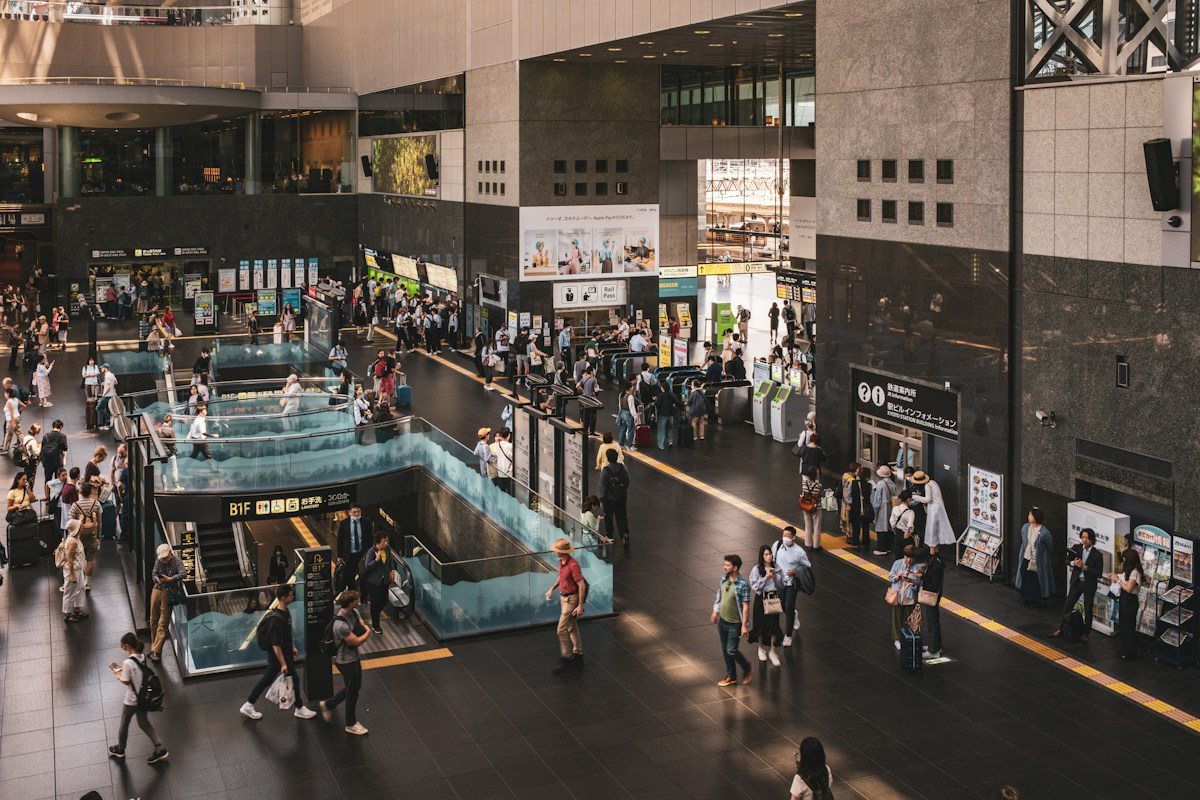
Kiyomizu-Gojo on the Keihan railway is a useful approach for travellers already using that line, but the station is below the temple, not beside its gate. Allow for the uphill walk. From another neighbourhood, compare the city's current rail-and-bus suggestions with a taxi to an appropriate drop-off. A bus journey still leaves a walking approach; there is no benefit in pretending the hill disappears.
The temple itself publishes a helpful warning: some online maps show routes that do not reach its grounds. Its access page identifies the approaches via Kiyomizu-zaka and Chawan-zaka. I would save the official location page and follow the signed public approach rather than accept a tempting shortcut. Following that access guidance matters more than shaving minutes off the climb.
Let the temple be the morning's anchor
Check Kiyomizu-dera's current visiting information before choosing your start. Seasonal closing arrangements and special evening events are separate from the ordinary morning visit. My preference is to make the temple the day's first commitment, then leave the rest flexible. Arriving earlier can change the atmosphere, but no hour comes with a promise of empty paths or an uninterrupted photograph.
Inside, choose a few things to notice rather than trying to record everything: the relationship between the buildings and the slope, the outlook towards the city, the movement from a broad space into a smaller one. Read the signs before taking photographs. Leave room for people who are there to worship, and do not turn a doorway or railing into a private studio.
Walk down in small chapters
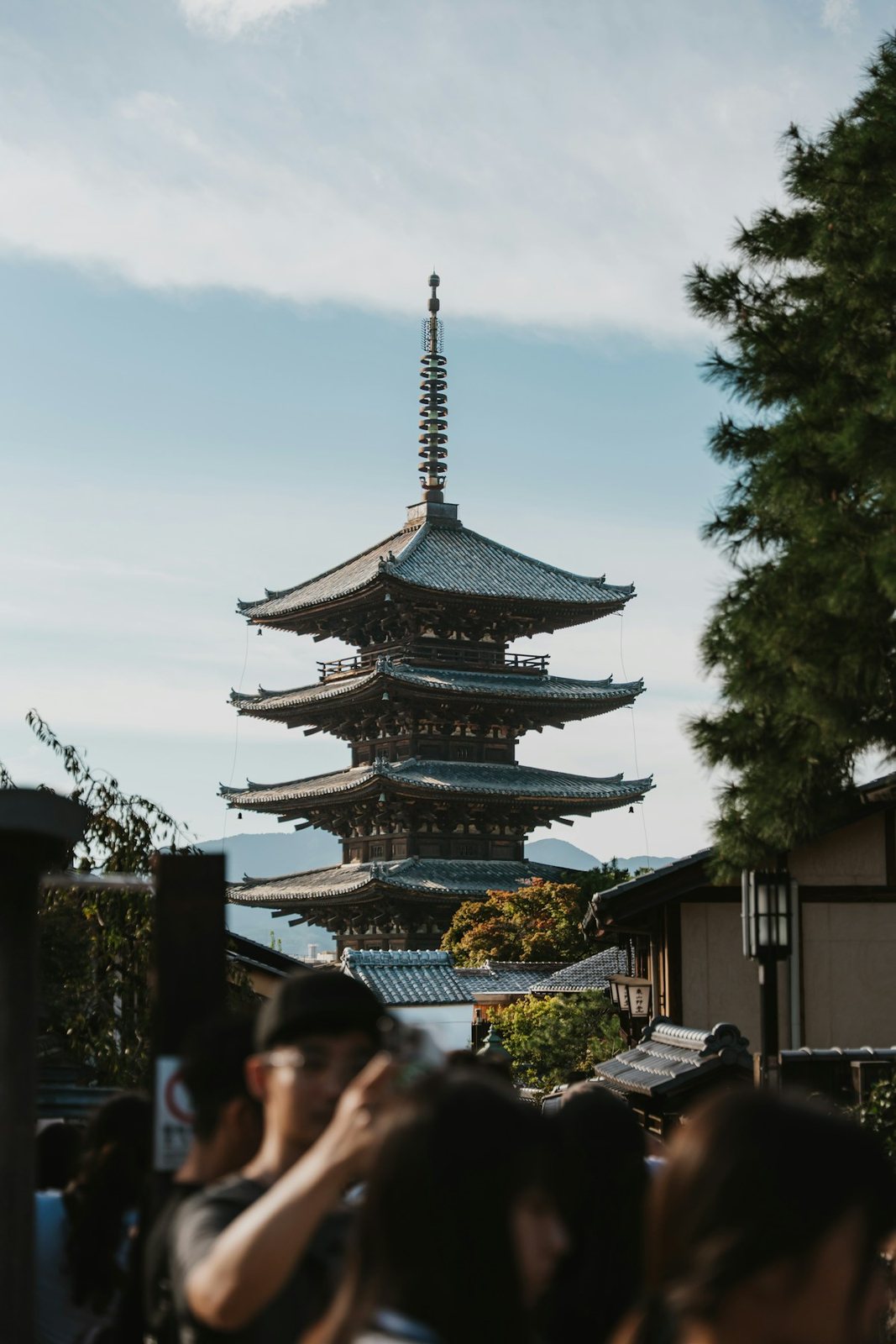
After the visit, follow the public lanes towards Sannenzaka and Ninenzaka, then continue towards Nene-no-Michi. The pleasure of this sequence is its continuity: you are moving through the eastern district rather than repeatedly catching transport between isolated attractions. On a crowded section, a slower pace is more useful than trying to overtake everyone. Keep steps and shop entrances clear when you pause.
An early start creates a trade-off. The street may suit a quieter walk while some shops and cafés have not begun serving. I would eat something before leaving and regard a later café stop as a bonus. A shuttered shop is not a failed morning; it is a reminder that the district has its own timetable. Return another day if browsing is the main reason you came.
Finish at Yasaka, then choose your next move
Continue north towards Yasaka Shrine and the edge of Maruyama Park. That is enough of a route. A pause here lets the crowded lanes settle into a more legible map: the hills behind, Gion to the west and the river farther beyond. If you still want to walk, choose one short extension rather than adding every nearby name to the same morning.
Gion-Shijo on the Keihan line and Kyoto-Kawaramachi on Hankyu are possible onward stations west of this finish, depending on your destination. They are not the same station, and neither is the municipal subway's Shijo station. Check your return connection before continuing downhill. For a tired group, arranging transport from a suitable public pickup point may be preferable to another station walk.
Treat the lanes as a neighbourhood
Kyoto's official visitor guidance asks people not to block streets, enter private property or photograph geiko and maiko without permission. It also notes photography restrictions in parts of Gion and at individual sites. These are specific local concerns, not an invitation to assume the whole district is closed. Read the sign at the place where you are standing; a photogenic lane is not evidence of public access.
My photo rule is simple: take the picture that the shared space allows. If that means people remain in the frame, let them. Moving a few steps aside is usually better than waiting in the middle of a passage for everyone else to disappear. The walk is easier to enjoy when looking and photographing stop competing for all your attention.
Change the walk before it becomes a struggle
Imagine a planning example in which one traveller is comfortable on hills and another finds steps tiring. The right adjustment is not a faster start. Check the temple's accessibility information, choose a manageable approach and shorten the descent or arrange separate transport. Wet weather is another reason to reduce the route. A half-day allowance is breathing space, not a requirement to stay out for four hours.
A FEW USEFUL ANSWERS
Frequently asked questions
Can I start this walk directly from Kiyomizu-Gojo station?
Yes, if you are comfortable adding the uphill approach before the temple visit. The station is not at Kiyomizu-dera's gate. Save the temple's official access page, follow the signed public approach and allow extra time for the climb. Check another connection if luggage, steps or mobility needs make that unsuitable.
Will the shops be open if I start early?
Not necessarily. An early temple visit and a shopping morning have different rhythms, and individual businesses set their own hours. Eat before leaving and keep a later café stop optional. If browsing is your priority, adjust the start or return later instead of expecting every shop to match the temple's schedule.
Is this route suitable for someone avoiding stairs?
The full route includes hills, steps and narrow lanes, so it should not be presented as a step-free walk. Check Kiyomizu-dera's official accessibility map and discuss a shorter version with your group. A different approach, transport between sections or finishing after the temple may be more appropriate than completing every stop.
Can I photograph anywhere in Gion and Higashiyama?
No. Follow signs at each lane, temple, shop and other property, since restrictions differ by place. Kyoto's guidance also asks visitors not to photograph geiko and maiko without permission. Keep streets and entrances clear, stay on public routes and avoid treating residents or worshippers as part of a staged photograph.
Sources & useful links
Checked 29 October 2026. Confirm opening times, fares, and booking conditions with the operator before setting out. Published experiences belong to the people credited below.
- Kiyomizu-dera — official access and map warning ↗
- Kyoto Travel — Gion and Kiyomizu area ↗
- Kyoto Travel — comfortable access to Higashiyama ↗
- Kyoto Travel — responsible visitor guidance ↗
- Kyoto Travel — railway connections and operators ↗